Hi all, I posted some pics a few wks ago of the start of this project and said I'd follow them up with some more when it was completed. Well here it is (minus seat and brakes but they're going on tomorrow

)
[attachment=1561]
[attachment=1562]
[attachment=1563]
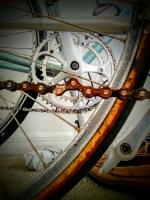
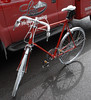
For a first attempt I'm pleased with this. Converted the old geared freewheel to SS but I really need to get a cog with deeper teeth so the chain sits in place better - as it is the chain is likely to get thrown but hey at least I got a sweet chainline

Far better to dare mighty things, to win glorious triumphs, even though checkered by failure... than to rank with those poor spirits who neither enjoy nor suffer much, because they live in a gray twilight that knows not victory nor defeat.
T Roosevelt
90 views so far and not one comment.......a bit of feedback would be nice; good, bad or indifferent - I'll take anything
Far better to dare mighty things, to win glorious triumphs, even though checkered by failure... than to rank with those poor spirits who neither enjoy nor suffer much, because they live in a gray twilight that knows not victory nor defeat.
T Roosevelt
Finished the bike today
[attachment=1564]
Far better to dare mighty things, to win glorious triumphs, even though checkered by failure... than to rank with those poor spirits who neither enjoy nor suffer much, because they live in a gray twilight that knows not victory nor defeat.
T Roosevelt
Very cool!!
Good maintenance to your Bike, can make it like the wheels are, true and smooth!
Looks like that would be fun to tool around on. Nice work.
It took plenty of toolin around to change the f****** thing to SS . . . it is fun tho you're right.
:-]
Far better to dare mighty things, to win glorious triumphs, even though checkered by failure... than to rank with those poor spirits who neither enjoy nor suffer much, because they live in a gray twilight that knows not victory nor defeat.
T Roosevelt
that is a sweet color. I want a bike that color.
It looks really awesome. It's all about making it yours. I built a similar bike and it is so pretty. It doesn't get much action though. It just sits on the wall looking nice.
Cheers Jordan, you're right. Funny thing is this was an old bike than never saw much use and certainly wasn't well looked after before but now I'm almost scared to leave it locked up anywhere when I go out on it lol.
Far better to dare mighty things, to win glorious triumphs, even though checkered by failure... than to rank with those poor spirits who neither enjoy nor suffer much, because they live in a gray twilight that knows not victory nor defeat.
T Roosevelt
nice to see something given a new lease of life lol ... looks much fun
Boardman Team Road/Race Bike
Felt 620 MTB
I like it. Did you paint it? It looks great.
Is this not a reasonable place to ride?
Fantastic job, love the conversion and paint job. Reminds me of an old Bomber bike, my dad tried to spray paint for me. Was meant to be royal blue and came out baby blue. Twenty years ago, it was a shooting offense for cycling a baby blue bicycle.
That colour really compliments the style of the bike. Its not possible to look at this bike only once. You did an excellent job there mate.
Good maintenance to your Bike, can make it like the wheels are, true and smooth!
Looks great, very clean looking bike!





 I like it now though.
![[-]](https://forums.bikeride.com/images/flatty/collapse.png "[-]")